









Why People Wear Barefoot Shoes: Benefits of Barefoot Shoes for Natural Movement
Barefoot shoes are designed around a simple idea: protect your feet from the ground without unnecessarily restricting how they move.
Compared with many conventional shoes, barefoot shoes typically use a wide toe box, zero-drop construction, thin sole, and flexible materials. Together, these features give the feet more room to move and allow you to feel more of the surface beneath you.
So, what are the benefits of barefoot shoes, and why are more people wearing them for walking, training, running, hiking, and everyday life?
The biggest difference is not that barefoot shoes try to do more for your feet. In many ways, they do less. Instead of relying on thick cushioning, raised heels, or rigid structures, they are designed to let your feet move in a way that feels closer to being barefoot—while still providing protection from rough or dirty surfaces.
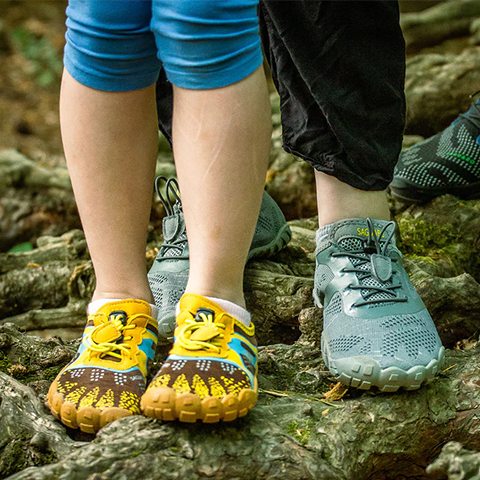
6 Benefits of Barefoot Shoes
1. A Wide Toe Box Gives Your Toes More Room
One of the most noticeable benefits of barefoot shoes is the additional space around the toes.
Many conventional shoes taper toward the front, which can push the toes closer together. Barefoot shoes usually have a foot-shaped or wider toe box designed to accommodate natural toe splay.
That extra room can make a noticeable difference during everyday activities such as walking, standing, traveling, or exercising.
When your toes have enough space, they can spread, bend, and adjust more freely as your weight moves across the foot.
For people with naturally wide feet, a wide toe box can also make footwear feel considerably less restrictive.
2. Zero Drop Keeps the Heel and Forefoot Level
Another defining feature of barefoot footwear is the zero-drop sole.
“Drop” refers to the difference in height between the heel and the front of the shoe. Traditional footwear often raises the heel above the forefoot. In a zero-drop barefoot shoe, both areas sit at approximately the same level.
This creates a flatter standing position that is closer to standing barefoot on level ground.
For many people, this is one of the main reasons they become interested in minimalist footwear.
A zero-drop shoe does not automatically create perfect posture or movement, but it removes the raised heel built into many traditional shoes and allows your body to adapt to a flatter platform.
3. Thin Soles Provide More Ground Feel
Thick cushioning can reduce how much information you receive from the ground.
Barefoot shoes take a different approach.
Their soles are usually relatively thin, allowing you to notice changes in texture, slope, and surface beneath your feet more easily.
This increased ground feel is one of the characteristics people often notice first when switching to barefoot shoes.
You might become more aware of grass, pavement, trails, stones, or changes in terrain as you walk.
That does not mean the thinnest sole is always the best choice. Beginners may prefer a slightly thicker barefoot sole while adapting to the different sensation.
For example, many SAGUARO barefoot shoes use soles of approximately 4–6 mm, balancing flexibility and ground feedback with everyday protection.
4. Flexible Shoes Allow More Natural Foot Movement
Your feet bend in several directions when you walk.
Barefoot shoes are designed to move with them.
A flexible sole can bend at the forefoot and twist more easily than a heavily structured shoe. This allows the foot to move through each step with fewer mechanical restrictions from the footwear itself.
Some barefoot shoes are flexible enough to roll or fold significantly, making them convenient for packing into a gym bag, suitcase, or backpack.
Flexibility can be particularly useful for activities where freedom of movement matters, including:
- Walking
- Strength training
- Travel
- Casual outdoor activities
- Everyday wear
The important point is not how tightly a shoe can be rolled for a photo. It is whether the shoe flexes naturally with your foot during movement.
5. Lightweight Construction Can Feel Less Restrictive
Barefoot shoes generally use less cushioning and fewer rigid structural elements than conventional footwear.
As a result, they are often lightweight.
Reducing unnecessary weight can give the shoe a more natural, less bulky feeling during everyday movement.
Many models also use breathable knit or mesh uppers, making them suitable for warm weather, travel, indoor training, and casual walking.
For people accustomed to thick trainers or heavy walking shoes, the difference can be immediately noticeable.
You still have a protective layer between your feet and the ground, but the shoe itself often feels much less intrusive.
6. Barefoot Shoes Encourage Greater Awareness of How You Move
Greater ground feedback can also make you more conscious of each step.
With less cushioning separating your feet from the surface, you may notice more clearly how you land, where your weight moves, and how different surfaces feel.
This is one reason people choose barefoot shoes for activities such as walking, gym training, hiking, and everyday movement.
Barefoot shoes do not automatically change your movement technique, but they provide fewer layers between your feet and the environment, which can make movement feel more direct.
Why Do People Wear Barefoot Shoes?
People choose barefoot shoes for different reasons.
Some want more room for their toes. Others prefer the feeling of a zero-drop sole or want shoes that are lighter and more flexible than conventional footwear.
For many wearers, the appeal comes from combining several of these features.
A barefoot shoe can offer:
More toe space + a flat sole + flexibility + ground feedback + lightweight protection.
This combination makes barefoot shoes suitable for a surprisingly wide variety of situations.
People now wear them for everyday errands, commuting, travel, training, walking, hiking, and other outdoor activities.
Modern barefoot footwear also comes in far more styles than it once did. Alongside athletic designs, there are now barefoot sneakers, casual shoes, boots, sandals, school shoes, and even more formal-looking options.
Benefits of Barefoot Shoes for Walking
Walking is one of the easiest ways to experience barefoot footwear.
A wide toe box lets the toes spread without being squeezed together, while a flexible sole bends as your foot moves through each step.
The thinner sole also allows you to feel more of the surface beneath you.
For city walking, many people prefer lightweight barefoot shoes with breathable uppers and moderate tread.
For outdoor walking, you may want a more protective upper and outsole with additional grip.
The basic barefoot principles remain the same, but the ideal shoe depends on where you plan to walk.
Benefits of Barefoot Shoes for Running
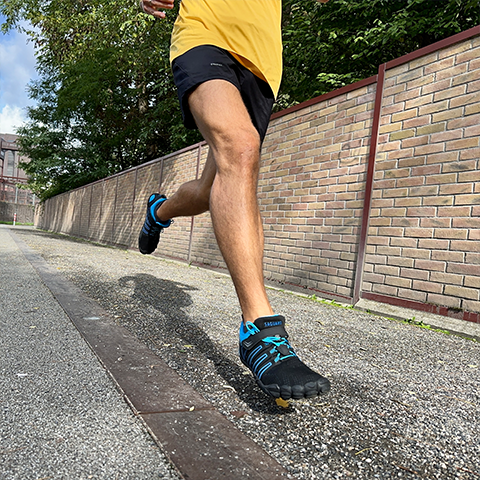
Barefoot shoes are also popular with runners who want a lighter, more flexible shoe and a closer connection to the ground.
A wide toe box gives the toes more room to spread as the foot loads and pushes off, while a zero-drop sole keeps the heel and forefoot on the same level. The thinner, more flexible sole also provides more ground feedback than heavily cushioned running shoes.
For some runners, these features can make running feel more natural and less restricted. Barefoot running shoes are especially appealing to people who prefer lightweight footwear and want to be more aware of how their feet interact with the ground.
However, switching from traditional running shoes to barefoot shoes can require an adjustment period. The feet and lower legs may be used to more cushioning, structure, or heel elevation.
If you are new to barefoot running, start gradually with shorter distances and easier sessions rather than immediately replacing all of your regular running shoes.
The right barefoot running shoe should still provide enough grip and protection for the surface you run on, whether that is pavement, a track, or light trails.
Benefits of Barefoot Shoes for Training
Barefoot shoes are also popular for gym and strength training.
A zero-drop sole provides a flat platform, while the wide toe box gives the toes space during exercises such as squats, deadlifts, lunges, and bodyweight movements.
The flexible construction also allows the shoe to move more freely with the foot.
Different activities have different footwear requirements, however. Barefoot training shoes designed for strength work may not be the right choice for every sport or surface.
Consider the activity first rather than assuming one barefoot shoe can do everything.
Benefits of Barefoot Shoes for Hiking
Barefoot hiking shoes combine minimalist construction with features designed for outdoor terrain.
Compared with everyday barefoot shoes, hiking models may include:
- Deeper outsole tread
- Additional toe protection
- More durable uppers
- Greater coverage around the foot
You still get the wide toe box, zero-drop platform, flexibility, and ground feedback associated with barefoot footwear, but with additional protection suited to trails.
The thinner sole also means you will usually feel rocks, roots, and uneven terrain more clearly than you would in heavily cushioned hiking boots.
For people new to barefoot hiking, starting with shorter and easier trails can make the transition more manageable.
Are Barefoot Shoes Comfortable?
Someone wearing them for the first time may immediately appreciate the extra toe space but need more time to adjust to the flatter and thinner sole.
Comfort also depends on:
- Foot shape
- Shoe width
- Correct sizing
- Upper material
- Sole thickness
- Intended activity
- Previous footwear habits
“Barefoot” does not mean your foot should slide around inside the shoe. Your toes should have room to spread without the shoe feeling unstable.
How to Transition to Barefoot Shoes
For example, you might begin with:
- Short everyday walks
- Light indoor use
- Casual errands
- Simple gym sessions
Your feet and legs may be used to a different type of shoe, so giving yourself time to adapt is generally more sensible than immediately using barefoot shoes for long walks or demanding hikes.
Are Barefoot Shoes Good for Everyone?
Barefoot shoes are not automatically the right choice for every person or every activity.
Footwear preferences, foot shapes, previous injuries, medical conditions, and activity requirements differ considerably.
The main advantage of barefoot footwear is that it gives your feet more space and fewer structural restrictions than many conventional shoes.
Whether that feels better for you depends on your individual needs.
People with existing foot problems, injuries, or medical concerns should consider speaking with an appropriate healthcare professional before making major changes to their footwear.
The Main Benefits of Barefoot Shoes at a Glance
The benefits of barefoot shoes largely come from their minimalist construction.
A wide toe box gives the toes space to spread. A zero-drop platform keeps the heel and forefoot level. A thin sole improves ground feedback, while flexible materials allow the shoe to move more naturally with the foot.
Add lightweight construction, and you get footwear that feels very different from traditional heavily cushioned shoes.
The goal is not simply to wear thinner shoes.
It is to provide enough protection for modern environments while interfering as little as practical with the way your feet naturally move.
If that combination appeals to you, barefoot shoes are worth exploring gradually and finding a style that suits both your feet and the activities you enjoy.


4 comments
Hello,
I’m wondering which model should I take if I want to use them on a treadmill but also to go for a trail run 🏃🏻♀️.
Thanks!
I agree with an all white shoe, and/or some neutral colors like a light grey, tan, rose color etc.