



Are barefoot shoes good for flat feet?
If you have flat feet, you may wonder whether barefoot shoes can offer greater comfort or whether their lack of arch support could make your feet feel worse. So, are barefoot shoes good for flat feet? The answer depends on your foot function, symptoms, and how well you adapt to this type of footwear.
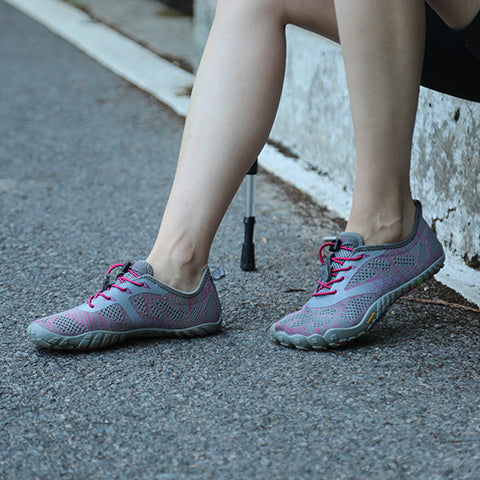
Barefoot shoes feature a wide toe box, a flexible sole, and a zero-drop design that allows your feet to move more freely.
In this guide, you'll discover the potential benefits and limitations of barefoot shoes for flat feet, what to look for when choosing a pair, and how to make the transition gradually and comfortably.
What Are Flat Feet?
Flat feet, also known as fallen arches, occur when the arch along the inside of the foot is low or appears to touch the ground when standing.
Some people naturally have flat feet without experiencing pain or movement problems. Others may develop symptoms such as arch discomfort, foot fatigue, or ankle pain.
Flat feet can be flexible or rigid. With flexible flat feet, the arch may become visible when the foot is lifted off the ground. With rigid flat feet, the arch remains low even when the foot is not bearing weight.
Having flat feet does not automatically mean you need special shoes. Your symptoms, foot mobility, and daily activities are important factors when choosing footwear.
Are Barefoot Shoes Good for Flat Feet?
Barefoot shoes may be suitable for people with flat feet who are comfortable with minimal cushioning and greater foot movement.
The key is to consider how your feet function rather than focusing on arch height alone.
Potential Benefits of Barefoot Shoes for Flat Feet
1. More room for natural toe movement
Barefoot shoes often feature a wide toe box that allows the toes to spread without being squeezed together. This can improve comfort for people who find conventional shoes too narrow.
However, a wide toe box does not directly correct flat feet or restore the arch.
2. Greater foot muscle engagement
Barefoot shoes typically have flexible soles and minimal underfoot structure. These features allow the feet to move differently from how they move in more structured footwear and may increase the demands placed on certain foot muscles.
Research on minimalist footwear suggests potential improvements in some aspects of foot muscle strength. However, these findings do not prove that barefoot shoes can rebuild fallen arches or treat flatfoot-related pain.
3. A more direct feel for the ground
The thin, flexible soles of barefoot shoes provide greater ground feedback than heavily cushioned footwear. Some people enjoy this sensation during everyday walking and other low-impact activities.
However, more ground feedback is not necessarily better for everyone. If you experience discomfort on hard surfaces, shoes with additional cushioning may be more comfortable.
When Might Barefoot Shoes Not Be Suitable?
Barefoot shoes may be worth exploring for some people with flat feet, but they are not suitable for everyone. Consider your symptoms, foot function, and footwear needs before making the switch.
- If you have flat feet without pain: You may be able to try barefoot shoes for short periods, gradually increasing wear time as your feet adapt.
- If you rely on cushioning or arch support: Barefoot shoes generally offer less cushioning and built-in support, which may increase discomfort for some people. If supportive shoes or prescribed orthotics help manage your symptoms, you do not need to stop using them.
- If you experience persistent pain, swelling, stiffness, or instability: Consult a healthcare professional before changing your footwear, particularly if your symptoms are new or worsening.
Having flat feet does not automatically mean you need supportive shoes, nor does it mean barefoot shoes are the right choice. If you decide to try them, start gradually and pay attention to how your feet respond.
How to Choose Barefoot Shoes for Flat Feet
If you want to try barefoot shoes, focus on fit, comfort, and your intended activities.
1. Choose a Wide Toe Box
Look for shoes that follow the natural shape of your feet and leave enough room for your toes to spread comfortably. The shoes should also provide sufficient length and a secure fit around the midfoot.
A wide toe box can reduce the feeling of crowding, but it does not replace arch support when support is needed.
2. Consider Sole Flexibility and Cushioning
Barefoot shoes are designed to offer flexibility and a closer connection to the ground. This can feel natural to some people but unfamiliar to those accustomed to thick, cushioned soles.
If your feet feel sensitive or uncomfortable on hard surfaces, begin with short periods of wear.
3. Understand Zero-Drop Design
Zero-drop shoes have little or no height difference between the heel and forefoot. This creates a level platform, but it does not automatically improve arch alignment or prevent overpronation.
Switching from conventional shoes with elevated heels can also change the demands on your calves, Achilles tendons, and feet. Allow time to adapt instead of switching all at once.
4. Match Your Shoes to Your Activities
For everyday walking, choose footwear that feels comfortable on the surfaces you use most often.
For running or exercise, consider your experience, training surface, and tolerance for reduced cushioning. Barefoot-style shoes may place different demands on your feet and lower legs, so introduce them gradually.
How to Transition to Barefoot Shoes with Flat Feet
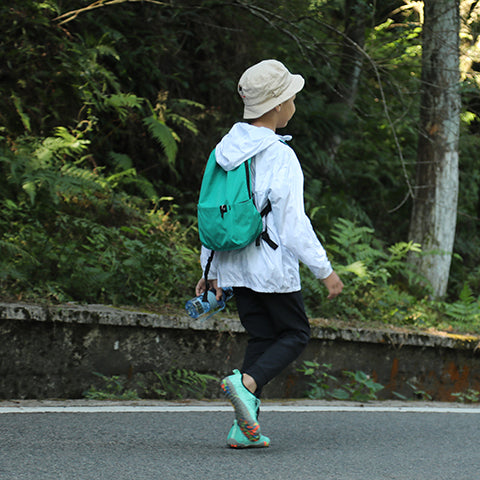
If you decide to try barefoot shoes, a gradual transition can help you understand how your feet respond.
Step 1: Start with short periods of wear.
Begin with a brief walk or another low-intensity activity rather than replacing all your usual footwear immediately.
Step 2: Increase wear time gradually.
If your feet remain comfortable during and after each session, slowly extend the time you spend in barefoot shoes. Adjust the pace according to your response.
Step 3: Start with low-impact activities.
Begin with comfortable walking before progressing to longer walks, running, or demanding workouts.
Step 4: Consider foot-strengthening exercises.
Exercises such as toe movements, short-foot exercises, and calf strengthening may help improve foot strength and control. A physiotherapist can recommend suitable exercises if you have symptoms or functional limitations.
Step 5: Monitor your symptoms.
Mild unfamiliar muscle fatigue may occur when changing footwear, but persistent pain is not something to push through. Reduce or stop the activity if you develop worsening arch pain, swelling, or other concerning symptoms. Seek professional advice if these problems continue.
Frequently Asked Questions
Can barefoot shoes fix flat feet?
There is insufficient evidence that barefoot shoes can permanently correct flat feet or restore a fallen arch. They may help improve certain aspects of foot muscle strength, but this does not necessarily change the structure of the foot.
Do people with flat feet need arch support?
Not everyone with flat feet needs arch support. People without pain or functional problems may not need treatment, while those with symptomatic flat feet may benefit from supportive shoes, orthotics, or a tailored exercise program.
Are barefoot shoes good for flat feet and overpronation?
It depends on the degree of overpronation and whether it causes discomfort or instability. Barefoot shoes do not provide the same motion control as some stability shoes and are not an established treatment for excessive pronation. If you have pain or instability, seek professional advice before switching.
Are barefoot shoes better than traditional shoes for flat feet?
Neither option is universally better. Barefoot shoes offer greater flexibility and ground feedback, while traditional supportive shoes may provide more cushioning and structure. Choose based on comfort, activity, foot function, and any professional recommendations.
Conclusion
So, are barefoot shoes good for flat feet? They may be a reasonable option for some people, particularly those with pain-free flat feet who prefer a wide toe box and flexible sole. However, barefoot shoes are not a proven treatment for flat feet, and some people need additional cushioning or support.
Start gradually, pay attention to how your feet respond, and choose footwear that suits your needs. If flat feet cause persistent pain or interfere with daily activities, consult a healthcare professional before changing your footwear.


1 comment