






How to Properly Use Toe Separators for Foot Health
Toe separators are small devices placed between the toes to create space and may help relieve a feeling of crowding. If you're new to toe separators, start with a comfortable fit, use them for short periods, and pay attention to how your feet respond. Understanding how to wear them, how long to use them, and what results to expect can help you make them part of a sensible foot care routine.
What are Toe Separators?
Some are intended for relaxation or stretching at home, while others are designed for use during specific activities. The right option depends on your foot shape, comfort needs, and intended use.
Toe separators may help create temporary space between crowded toes, but they do not permanently change foot structure simply by being worn. They should fit comfortably without forcing the toes into an uncomfortable position.
Footwear also matters. Shoes with a tapered front can compress the toes, while wide toe box shoes provide more room for the toes to rest naturally.

Benefits of Using Toe Separators?
-
Create Space Between the Toes
The amount of separation depends on the product's design and the shape and flexibility of your toes. More separation is not necessarily better; a comfortable fit should always take priority.
-
Support Better Toe Alignment for Bunions
-
Improve Balance and Stability
-
Activate and Strengthen Foot Muscles
-
Reduce Friction and Improve Comfort
Toe Separators Before and After: What Can You Expect?
The difference between using and not using toe separators depends on your starting point, the product, and the duration of use. It is important to distinguish an immediate change in toe position from a lasting change in foot structure.
| Aspect | Before Using Toe Separators | After Using Toe Separators |
| Toe Spacing | Toes may feel crowded or pressed together. | Creates space between the toes while the separators are worn. |
| Toe Comfort | Toes may rub against each other, causing discomfort. | May reduce toe-to-toe friction and the feeling of crowding. |
| Bunion-Related Pressure | The area around the big toe may feel crowded in tight-fitting shoes. | May provide temporary relief from pressure between the big toe and second toe for some people. |
| Foot Mobility | Crowded toes may feel restricted during gentle foot movements. | May make toe movements or stretching feel more comfortable for some users. |
| Everyday Foot Comfort | Narrow footwear may leave the toes feeling compressed after prolonged wear. | May offer a more comfortable stretching or relaxation routine when used appropriately. |
How to Use Toe Separators?
Choose the Right Fit
Start with Short Sessions
Wear Them During Light Activities
Pair Them with Wide Toe Box Shoes
Check for Comfort

How Long Should You Wear Toe Separators?
The appropriate wear time depends on the device, your foot comfort, and any advice provided by your healthcare professional. There is no universal schedule that guarantees better results.
For a first session, try around 10–15 minutes if permitted by the product instructions. If the device remains comfortable and your skin shows no signs of irritation, you may gradually adjust the duration. Some products are intended for brief stretching sessions, while others may have different instructions.
Keep these guidelines in mind:
- For beginners: Start with a short session while sitting or relaxing.
- For foot stretching: Follow the product instructions and stop if the stretch becomes painful.
- For walking: Use only products intended for movement, and check that your balance and gait remain normal.
- For wearing inside shoes: Make sure the shoe has enough width and depth to accommodate the separator without pressure.
- For prolonged wear: Do not assume that wearing a separator longer will produce better results.
Remove toe separators immediately if you experience pain, numbness, tingling, swelling, or skin irritation. If you have diabetes, reduced foot sensation, circulation issues, or a foot injury, seek professional advice before starting.
Who Can Benefit From Toe Separators?
Are Toe Separators Helpful for Bunions?

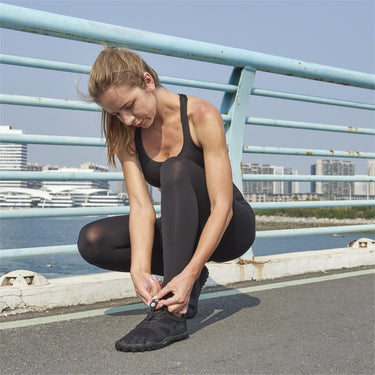
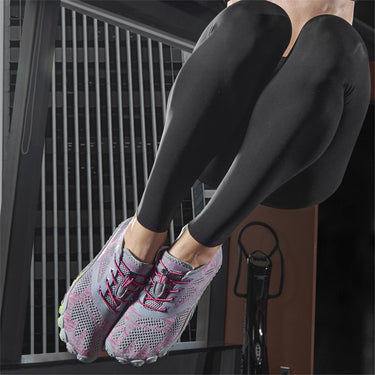
Why Barefoot Shoes and Toe Separators Are Often Used Together
-
Give the toes more room to move freely
-
Encourage natural toe movement during daily activities
-
Support better foot awareness while walking and standing
-
Help maintain healthy toe spacing throughout the day
Choosing the Right Shoes for Toe Separators
- A toe box that follows the natural shape of your forefoot.
- Enough width and depth for your toes to sit comfortably.
- A fit that does not create rubbing or pressure when you walk.
- Sole flexibility and cushioning appropriate for your intended activity.
- A secure fit around the midfoot and heel without squeezing the toes.
Frequently Asked Questions
How Often to Use Toe Separators?
Can You Wear Toe Separators With Shoes?
Can Toe Separators Correct Bunions?
Toe separators may temporarily separate the toes and may help some people feel less crowded. They cannot be relied on to correct the underlying joint changes associated with bunions.
Can You Walk with Toe Separators?
Only if the device is specifically designed for walking and does not affect your balance or gait. Start cautiously, follow the product instructions, and stop if you experience pain or pressure.
How to Clean and Maintain Toe Separators?
Final Thoughts
Toe separators may be useful for temporary toe spacing, reducing certain types of rubbing, or supporting a gentle foot mobility routine. Their benefits depend on fit, intended use, and individual needs.
Start with short sessions, check your feet afterward, and never push through pain. For everyday footwear, choose shoes that provide enough room for your toes to rest comfortably. If you have persistent symptoms or a diagnosed foot condition, seek advice from a qualified healthcare professional rather than relying on toe separators alone.


